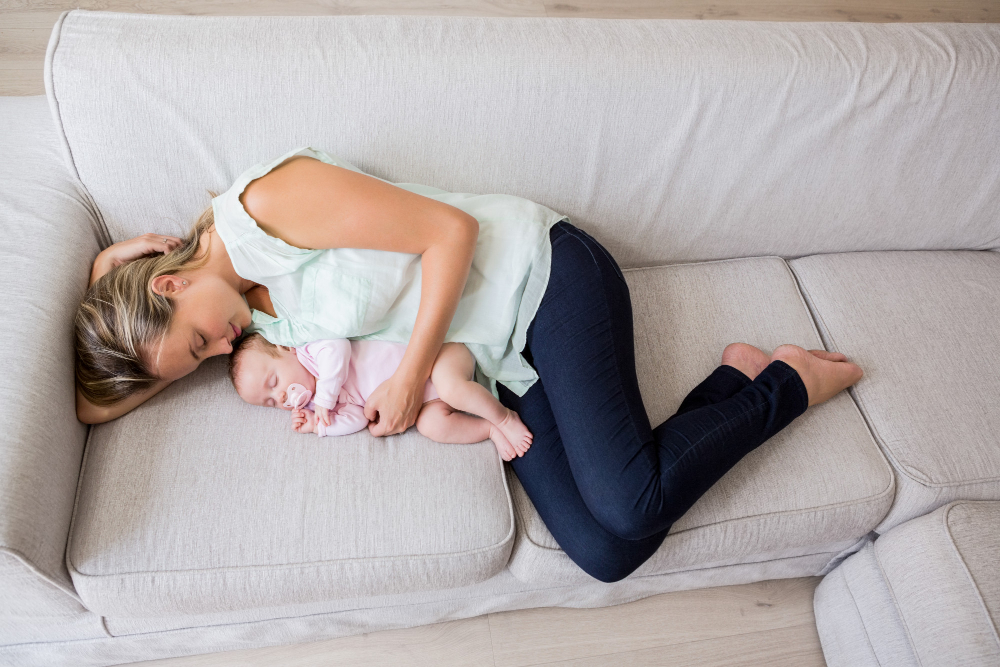
What is Postpartum Belly Pain?
Many women experience postpartum belly pain after childbirth. This pain, also called postpartum abdominal pain, is common. It can happen for many reasons. Sometimes, the pain is mild and goes away quickly. Other times, it can last longer and need attention. Knowing the causes and symptoms can help you find relief for postpartum pain. In cities like New York, postpartum pain relief services are available for new mothers.
Common Causes of Postpartum Belly Pain
After giving birth, your body goes through many changes. As a result, you may feel belly pain. Here are some common causes:
However, not all pain is normal. Some causes may need quick medical care.
Recognizing Symptoms
It is important to notice your symptoms. This helps you know when to seek help. Common symptoms of postpartum belly pain include:
For example, mild cramps are normal. But, severe pain or fever may signal a problem.
When to Seek Medical Attention
Sometimes, postpartum belly pain can be a sign of a serious issue. You should call your doctor if you notice:
In addition, if you feel dizzy or faint, seek help right away. Quick care can prevent complications.
Diagnosis and Evaluation
Your doctor will ask about your symptoms and medical history. They may also perform a physical exam. Sometimes, tests like blood work or an ultrasound are needed. These tests help find the cause of your pain. For instance, an ultrasound can check for infection or leftover tissue in the uterus. Early diagnosis leads to better treatment and faster recovery.
Treatment and Relief Options
Treatment depends on the cause of your pain. Here are some common options:
Always follow your doctor’s advice for safe and effective relief.
Tips for Managing Pain at Home
Many women find comfort with simple home remedies. Here are some tips for managing postpartum belly pain at home:
However, if pain does not improve, contact your healthcare provider.
Prevention and Recovery
While some postpartum belly pain is normal, you can take steps to prevent severe discomfort. For example, follow your doctor’s advice after delivery. In addition, eat a healthy diet and stay hydrated. Gentle movement, like walking, can also help your body recover. If you had a C-section, keep the incision clean and dry. Attend all postpartum check-ups to catch problems early. With time and care, most women recover fully from postpartum belly pain.
If you experience persistent or severe postpartum belly pain, consult a healthcare specialist at Mansha Diagnostics Centre & Clinic for personalized advice. Your health and comfort matter.