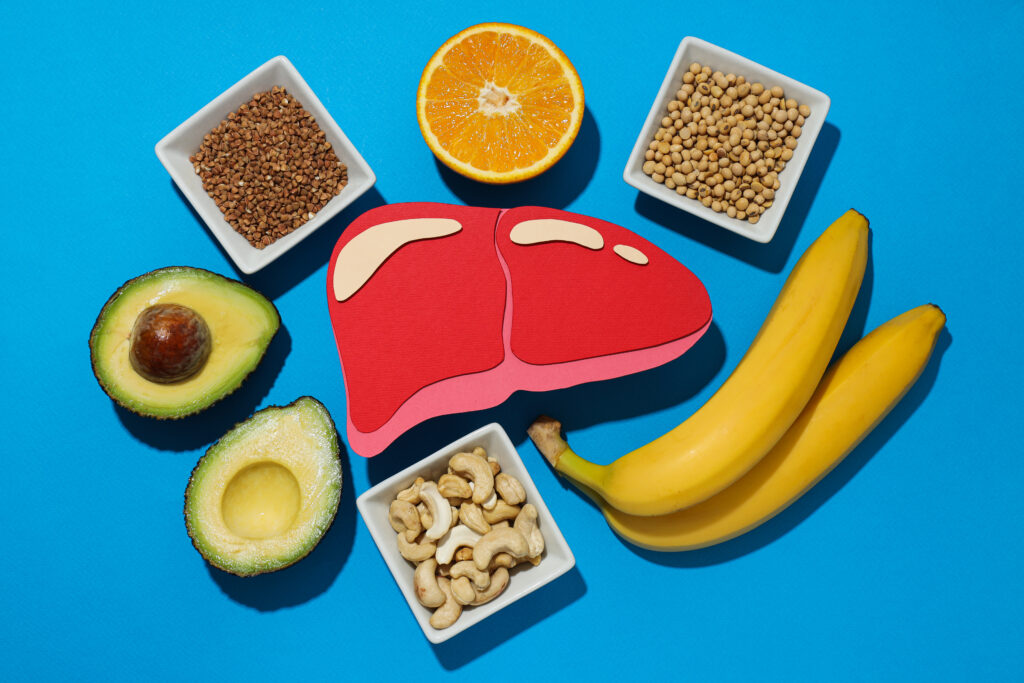
Introduction
Fatty liver is a common health problem today. It means extra fat builds up in your liver. This can lead to serious health issues if not managed. However, the good news is that lifestyle and diet changes can help. In this blog, you will find lifestyle and diet tips for managing fatty liver. These tips can support your liver health and improve your well-being.
What is Fatty Liver?
Fatty liver happens when too much fat collects in your liver cells. Sometimes, this is called non-alcoholic fatty liver disease (NAFLD). It often causes no symptoms at first. But over time, it can lead to liver damage. According to the CDC, fatty liver affects millions of people worldwide. Early action can help prevent serious problems.
Why Lifestyle and Diet Matter
Healthy habits play a big role in liver health. For example, eating well and staying active can lower fat in your liver. On the other hand, poor habits can make fatty liver worse. Because your liver helps your body process food and remove toxins, it needs care. Making small changes in your daily life can have a big impact.
Top Lifestyle Tips for Managing Fatty Liver
Best Diet Tips for Fatty Liver
What you eat matters for your liver. Choosing the right foods can help reduce fat in your liver. Here are some fatty liver diet tips:
Sample Daily Meal Plan
Planning your meals can make healthy eating easier. Here is a simple meal plan for one day:
Prevention and Long-Term Management
Sticking to healthy habits is key for long-term liver health. For instance, keep moving and eat balanced meals every day. Also, see your doctor for regular check-ups. They can help track your progress and suggest changes if needed. Over time, these steps can lower your risk of liver problems.
Conclusion
Fatty liver can be managed with the right lifestyle and diet tips. By making small changes, you can protect your liver and improve your health. For personalized advice on managing fatty liver, consult Mansha Diagnostics Centre & Clinic .