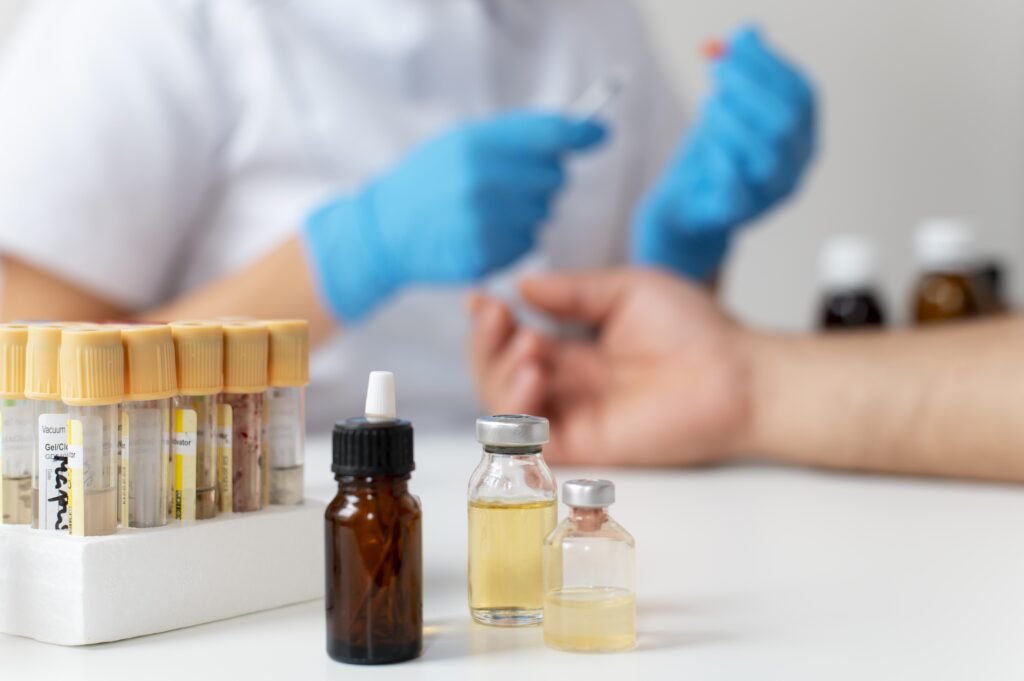
What Is a Serum Electrolyte Test?
A serum electrolyte test checks the levels of key minerals in your blood. These minerals, called electrolytes, include sodium, potassium, chloride, and bicarbonate. Doctors use this test to see if your body’s fluids and salts are balanced. Often, a serum electrolyte test is part of a routine health check or helps diagnose certain health problems.
Why Is a Serum Electrolyte Test Important?
Electrolytes help your body work well. For example, they control your heart, nerves, and muscles. If these levels are too high or too low, you may feel sick. Sometimes, changes in electrolytes can be dangerous. Because of this, doctors use the serum electrolyte test to spot problems early. According to the CDC, this test helps guide treatment for many conditions.
Common Symptoms or Reasons for Ordering the Test
Doctors may order a serum electrolyte test if you have symptoms like:
In addition, this test is often used if you have kidney disease, heart problems, or are taking certain medicines.
How Is the Serum Electrolyte Test Performed?
The serum electrolyte test procedure is simple and quick. Here is what usually happens:
Usually, the whole process takes less than five minutes. Most people feel only a quick pinch.
What Do the Results Mean?
Your test report will show the levels of each electrolyte. Here are common serum electrolyte test normal values for adults (may vary by lab):
If your levels are outside these ranges, it may mean:
However, only a doctor can explain what your results mean for you. Sometimes, small changes are not serious. But large changes may need quick treatment.
Preparation and Aftercare Tips
For most people, serum electrolyte test preparation is easy. Usually, you do not need to fast. However, your doctor may ask you to avoid certain foods or medicines before the test. Always follow your doctor’s instructions. After the test, you can return to your normal activities. If you feel dizzy, sit down and rest. Keep the bandage on for a few hours to prevent bleeding.
Risks and Safety Information
The serum electrolyte test is very safe. Still, as with any blood test, there are small risks. For example, you may have:
Most side effects go away quickly. If you notice swelling, redness, or pain that does not improve, contact your doctor.
Frequently Asked Questions (FAQ)
Prevention and Lifestyle Guidance
To keep your electrolytes balanced, try these tips:
In hot weather or during exercise, drink fluids to replace what you lose in sweat. If you have vomiting or diarrhea, sip fluids often to avoid dehydration.
Conclusion
A serum electrolyte test is a simple way to check your body’s balance of key minerals. It helps doctors find and treat health problems early. If you have questions about your results or need this test, consult a healthcare professional at Mansha Diagnostics Centre & Clinic for personalized advice about serum electrolyte tests.