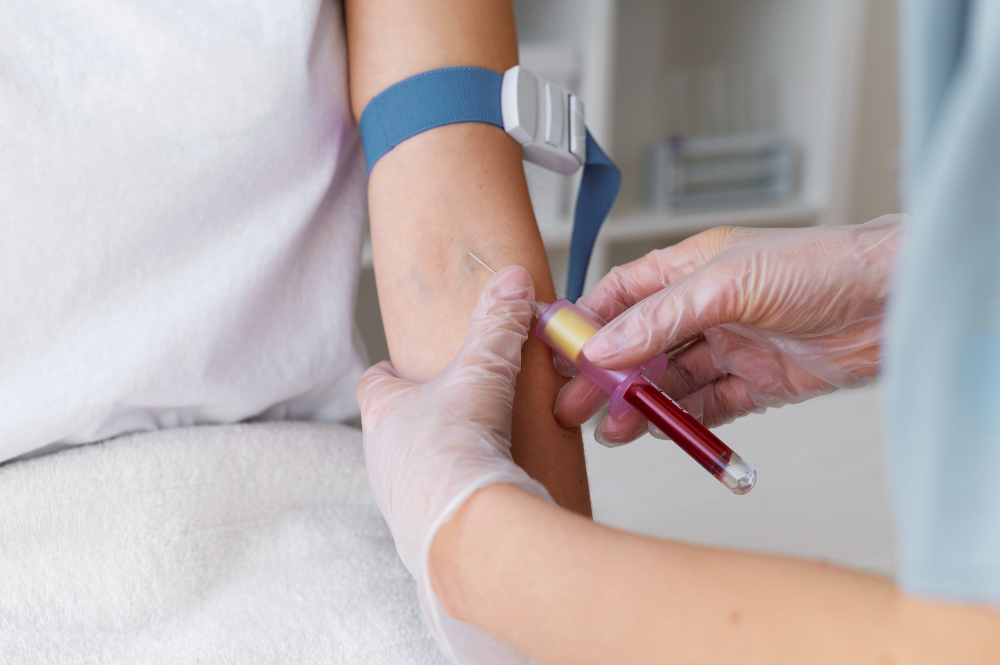
The reticulocyte test is a simple blood test that checks the number of young red blood cells in your body. Doctors use this test to see how well your bone marrow is working. Often, people who have anemia or other blood problems may need a reticulocyte test. Because it gives important clues about your health, understanding the reticulocyte test can help you know what to expect.
What Is a Reticulocyte Test?
First, let’s talk about reticulocytes. Reticulocytes are young red blood cells. They are made in the bone marrow and released into the blood. Over a few days, they become mature red blood cells. The reticulocyte test measures how many of these young cells are in your blood. This helps doctors see if your body is making enough red blood cells. For example, if you have anemia, this test can show if your body is trying to fix the problem.
Why Is the Reticulocyte Test Done?
Doctors order the reticulocyte test for several reasons. Usually, it helps them find out why you have too few or too many red blood cells. Here are some common reasons:
Sometimes, your doctor may order this test along with other blood tests for a clearer picture.
How Is the Reticulocyte Test Performed?
The reticulocyte test procedure is quick and simple. Here’s what usually happens:
Most people feel only a brief pinch. After the test, you can return to your normal activities right away.
Understanding Reticulocyte Test Results
Now, let’s look at what your results might mean. The reticulocyte count meaning depends on whether your number is high, low, or normal.
However, many things can affect your results. For example, some medicines or health conditions may change your reticulocyte count. Always talk to your doctor about what your results mean for you.
Risks and Considerations
For most people, the reticulocyte test is very safe. Still, there are a few minor risks, just like with any blood test. For instance, you might have:
Usually, these problems go away quickly. If you have a bleeding disorder, let your doctor know before the test.
When to Consult a Doctor
After you get your reticulocyte test results, you may have questions. If your count is high or low, it’s important to talk with your doctor. They can explain what the results mean for your health. Also, if you feel weak, tired, or notice other changes, seek medical advice. Early help can make a big difference.
Frequently Asked Questions
The reticulocyte test is a helpful tool for checking your blood health. Since results can vary, it’s important to discuss them with your doctor. If you have any questions or concerns, consult a healthcare professional at Mansha Diagnostics Centre & Clinic for personalized advice.
Book your reticulocyte test at Mansha Diagnostics Centre & Clinic today for expert health guidance!