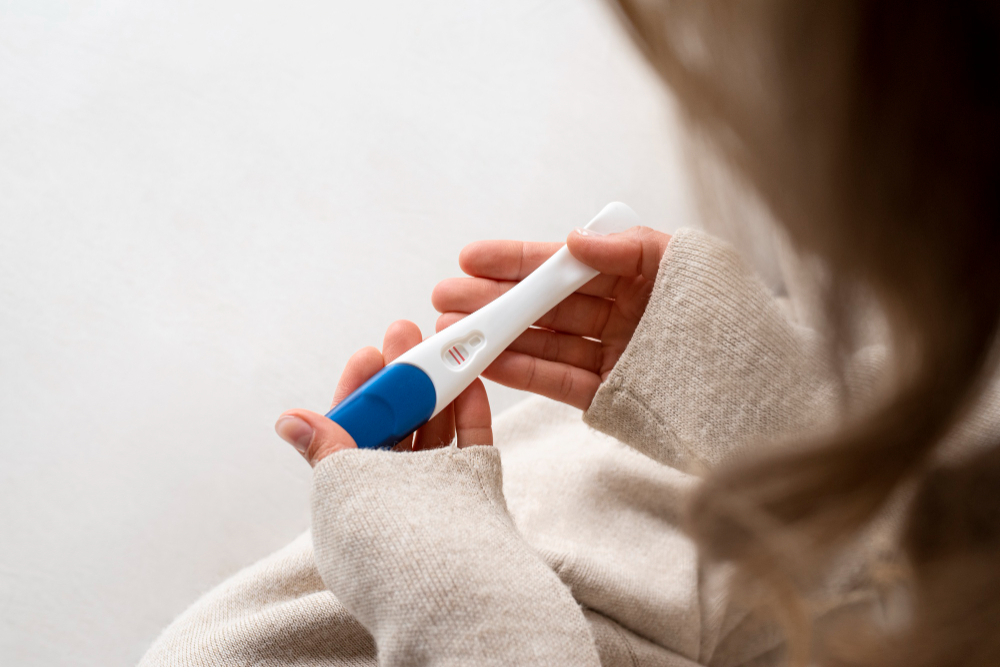
What is a Molar Pregnancy?
A molar pregnancy is a rare problem that happens during early pregnancy. In this condition, tissue grows in the uterus instead of a normal baby. This tissue forms a mass or “mole.” Sometimes, it can cause serious health issues if not treated. Most women do not know about molar pregnancy until they visit a doctor. However, early care can help prevent problems. According to the World Health Organization (WHO), molar pregnancy is uncommon but needs quick attention.
Symptoms and Warning Signs
It is important to know the symptoms of molar pregnancy. Early signs can look like normal pregnancy symptoms. Still, some warning signs may show up, such as:
Sometimes, women may not notice any symptoms. Therefore, regular checkups are important during pregnancy.
Causes and Risk Factors
Molar pregnancy happens when there is a problem with the fertilized egg. Instead of growing into a baby, the tissue grows abnormally. There are two main types:
Several factors can increase the risk, including:
Even so, most women with these risks will not have a molar pregnancy.
Diagnosis and Medical Evaluation
Doctors use several steps to diagnose molar pregnancy. First, they ask about symptoms and medical history. Next, they may do a pelvic exam. Often, they order an ultrasound to look inside the uterus. This test can show if abnormal tissue is present. Blood tests are also done to check hormone levels. High levels of the pregnancy hormone (hCG) can be a sign. If a molar pregnancy is found, doctors will explain the next steps. Early diagnosis helps prevent complications.
Treatment Options and Follow-Up Care
Treating molar pregnancy is important for health and safety. The main treatment is removing the abnormal tissue from the uterus. This is usually done with a gentle surgical procedure called dilation and curettage (D&C). Sometimes, medicine may be used to help clear the tissue. After treatment, doctors check hormone levels until they return to normal. This follow-up is very important. In rare cases, more treatment is needed if tissue remains or spreads. Most women recover fully with proper care.
Prevention and Lifestyle Guidance
While you cannot always prevent molar pregnancy, some steps may lower risk. For example, eating a healthy diet with enough vitamin A may help. Regular prenatal checkups can catch problems early. If you had a molar pregnancy before, talk to your doctor before trying to get pregnant again. They may suggest waiting for a certain time. Always follow your doctor’s advice for the best care.
Frequently Asked Questions About Molar Pregnancy
Consult a healthcare specialist at Mansha Diagnostics Centre & Clinic for personalized advice on molar pregnancy.